In many respects, relapse underscores that addiction recovery is a long-term management process requiring sustained care. Ultimately, effective strategies combine these elements to decrease relapse rates and promote enduring recovery. When people don’t understand relapse prevention, they think it involves saying no just before they are about to use. But that is the final and most difficult stage to stop, which is why people relapse. Treatment at an alcohol rehab center helps patients learn the root causes of addiction and learn coping strategies to avoid the triggers and temptations that led to their addiction.
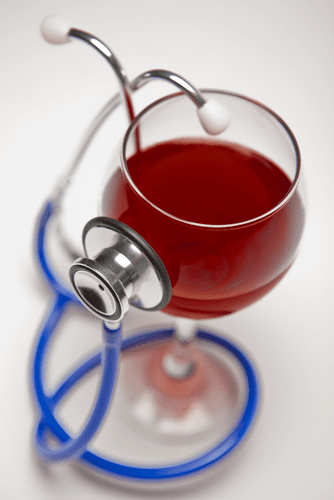
Be vigilant against alcohol relapse
Recovering from alcohol dependence and addiction can be a long and challenging process and you may experience several triggers, cravings, or relapses along the way. This guide helps you recognize early signs of alcohol relapse and implement prevention strategies to aid in avoiding relapse. Additionally, this article includes coping strategies if you or someone you know might have relapsed back into alcohol use. It is uncommon for alcoholics to go to treatment once and never pick up a drink for the rest of their life.

Codeine Addiction: Signs, Risks & Real Help
Relapse rates vary based on treatment intensity, aftercare participation, co-occurring mental health conditions, and the strength of social support networks. More intensive interventions, such as inpatient treatment combined with aftercare, have alcoholic relapse higher success rates compared to outpatient-only models. By practicing mindfulness, individuals interrupt automatic responses to cravings and reduce impulsive decisions, thereby protecting the stability of their recovery. Emotional awareness gained through mindfulness-based relapse prevention (MBRP) improves self-regulation during high-risk situations and minimizes emotional reactivity that leads to relapse. One of the most unfortunate and common occurrences in a recovery journey is a relapse.
How Long Does Codeine Stay in Your System?
But Sobriety as part of their all-or-nothing thinking, while they were working, they felt they didn’t deserve a reward until the job was done. Since they did not allow themselves small rewards during the work, the only reward that will suffice at the end is a big reward, which in the past has meant using. A missing piece of the puzzle for many clients is understanding the difference between selfishness and self-care.
- It can also be assuring to know that most people have the same problems and need to make similar changes.
- A person suffering from an alcohol relapse makes excuses to drink again or rationalizations about why they should start drinking again.
- However, alcohol addiction is a chronic condition, and one drink can quickly spiral into a full relapse.
- A relapse occurs when an addict or alcoholic returns to substance use after reducing or avoiding the substance for some time.
Can Benzodiazepine Withdrawal Kill You?
Plus, relapse risks appear to decrease to some degree over time with age. Research shows that drinking to intoxication, binge drinking, and alcohol-related problems peak between the ages of 18 and 22. But being realistic about relapse – the ups, downs, statistical probabilities – isn’t being pessimistic. Because the truth is, the call to drink can be loud when a person feels emotional, stressed, or void of hope. Plus, even “good” times can cloud judgment when it comes to the true cost of having a single drop. The longer you abstain from alcohol, the better your chances of success.
Deja una respuesta